Samurai armor isn’t one costume frozen in time—it’s a living genealogy shaped by war, rank, and the reality of steel. If you’re a beginner, this guide gives you a clear map of the five major phases that influence most reproduction designs today. If you’re a collector or martial artist, it helps you “read” a set at a glance: what it’s trying to be, what it prioritizes, and what kind of warrior it’s meant to represent.
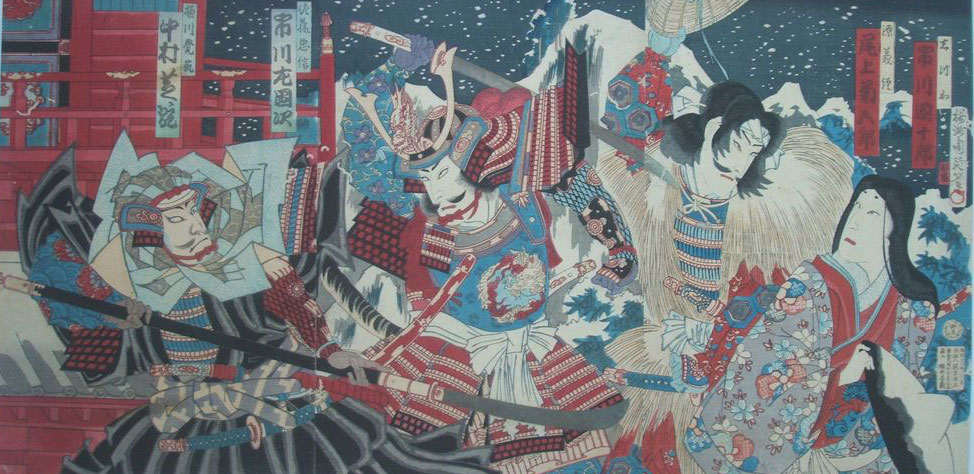
Before We Begin: How to Read Armor History Like a Warrior, Not a Tourist
Armor history can get messy—because real armor gets repaired, rebuilt, re-laced, and sometimes “updated” by later generations. Add in romantic storytelling, and you’ll see why the same era can look different depending on the source.
- Victors shape the narrative (and legends grow teeth over time).
- Survival bias: later-period armors often survive in better condition.
- Restoration & mixing: many antiques contain parts from multiple periods.
- Pop culture compresses centuries into a single “samurai look.”
If you want a clean reference for terms used across our site: Samurai Armor Terms & Glossary .
Basic Samurai Armor Terms (Quick & Useful)
- Kabuto: helmet
- Dō: cuirass / chest armor
- Yoroi: “armor” broadly; often used for classical mounted-warrior styles
- Gusoku: a complete harness / full set (common later usage)
- Tōsei gusoku: “modern equipment” (late Sengoku practicality)
- Gendai: modern-era armor (post-1868), including today’s reproductions
For ordering help and what options actually mean during customization: Custom Samurai Armor Order Options Explained .
1) Heian–Kamakura (794–1333): The Mounted Archer’s Presence
This is the “old blood” silhouette—large, commanding, built for an elite warrior identity. Early samurai warfare leaned heavily into mounted archery, and armor reflects that purpose: layered construction, lacing, and a profile that looks like authority made visible.
Warrior spirit: disciplined prestige—an archer on horseback who doesn’t need to shout; the armor does it for him.
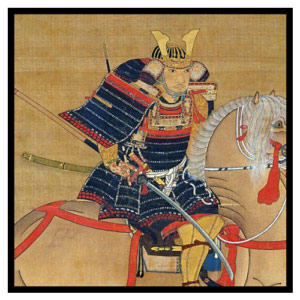
2) Nanbokuchō–Muromachi (1336–1573): Movement, Adaptation, and the Infantry Reality
Warfare expanded. Armies grew. Infantry and group tactics mattered more—and armor gradually responded with designs that prioritize mobility, coverage, and practical closure. This is where you see many transitional forms and construction ideas that set the stage for “modern equipment.”
Warrior spirit: the adaptable fighter—less ceremony, more readiness. Armor becomes the body’s discipline: move, survive, finish the fight.
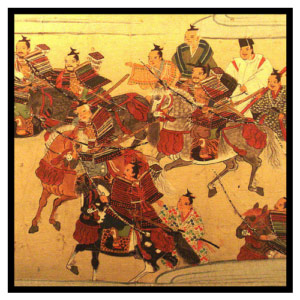
3) Sengoku (1467–1603): Tōsei Gusoku and the Field-Warrior Aesthetic
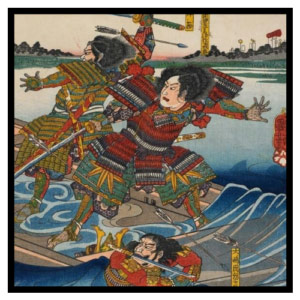
The Sengoku period is where romantic ideals collide with battlefield math. When war becomes constant, armor can’t only be beautiful—it must be repeatable, maintainable, and ready. This is where tōsei gusoku earns its reputation: “modern equipment” built for fast-moving campaigns, larger forces, and the realities of late-period warfare.
Warrior spirit: lean brutality—less ornament, more intent. If Edo is the polished blade on display, Sengoku tōsei is the blade still warm from use.
If you want to build this look today: Samurai Armor Sets (start complete), then refine with Armor Parts (upgrade piece-by-piece).
4) Edo (1603–1868): The Most Versatile “Starting Look”
Edo is peace with a blade behind the back. When large-scale civil war fades, armor shifts toward rank, ceremony, display, and refined identity. That’s why Edo-style aesthetics are often the most versatile starting point for modern buyers: they look complete, prestigious, and powerful in training halls, events, and home display.
Warrior spirit: controlled authority—strength that doesn’t need chaos to exist. Edo armor often carries the message: “I am ready,” even when the world is calm.
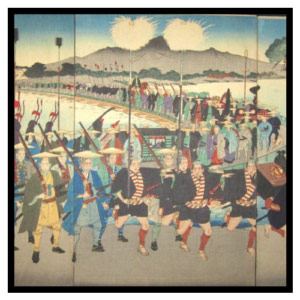
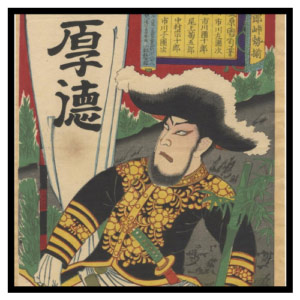
5) Meiji to Modern (1868+): The End of the Class, Not the Craft
Modern Japan reorganized power, and samurai armor ceased to be a standard battlefield necessity. But the craft didn’t die—it transformed into preservation, ceremony, collecting, and faithful reproduction. Today’s “gendai” work keeps the lineage alive by studying classical construction and rebuilding it for modern use.
Warrior spirit: endurance—when the age ends, the discipline remains. A modern wearer carries the tradition by choice, not by law.
How to Choose Your “First” Armor Style (Practical Buyer Guidance)
- If you want the most versatile starting look: choose an Edo-style aesthetic—it reads as complete, refined, and powerful in almost any setting.
- If you want a sharper warrior personality: choose Sengoku tōsei-gusoku—leaner lines, field-ready energy, “modern warrior” attitude.
- If you want to build gradually: start with a complete set, then upgrade the silhouette piece-by-piece using armor parts.
Helpful pages: Armor Class Comparison · FAQ · Order Options Explained
FAQ (Armor Genealogy + Buying & Customization)
What is tōsei gusoku?
Tōsei gusoku (“modern equipment”) is a late-period armor concept built for practicality in mass warfare: streamlined coverage, efficient closures, and a field-warrior personality—especially associated with Sengoku-era needs.
Why is Edo style the most versatile starting look?
Edo aesthetics tend to look complete and prestigious across contexts: dojo training, ceremonial events, reenactment, and display. It’s often the easiest style to own first because it “reads” as high-status armor even to non-experts.
Is early samurai armor always “ō-yoroi” and later always “tōsei”?
Not cleanly. These are helpful categories, but real history overlaps. Styles persist, revive, and mix—especially in antiques that were repaired or updated over generations.
Can I build a set piece-by-piece?
Yes—and it’s often smart. Start with a cohesive base (so proportions match), then upgrade parts over time: kabuto, menpō, sode, kote, and fittings. Use Samurai Armor Parts to evolve the look without starting over.
How do customization options work on Samurai-Armor.com?
Many products include options with small “?” explanations so you can understand what each choice changes in the build. For the full guide: Order Options Explained .
Closing: Keep the Lineage Alive
Armor is more than protection—it’s identity engineered. Whether you choose the refined authority of Edo or the field-warrior edge of Sengoku, you’re not buying a costume. You’re stepping into a tradition and shaping it to your body, your role, and your modern purpose.
Explore: Armor Sets · Armor Parts · Glossary · FAQ