- Traditionally Handcrafted
- Customizable
- Shipped Direct From The Armory
- Best Price Guarantee
- World wide delivery
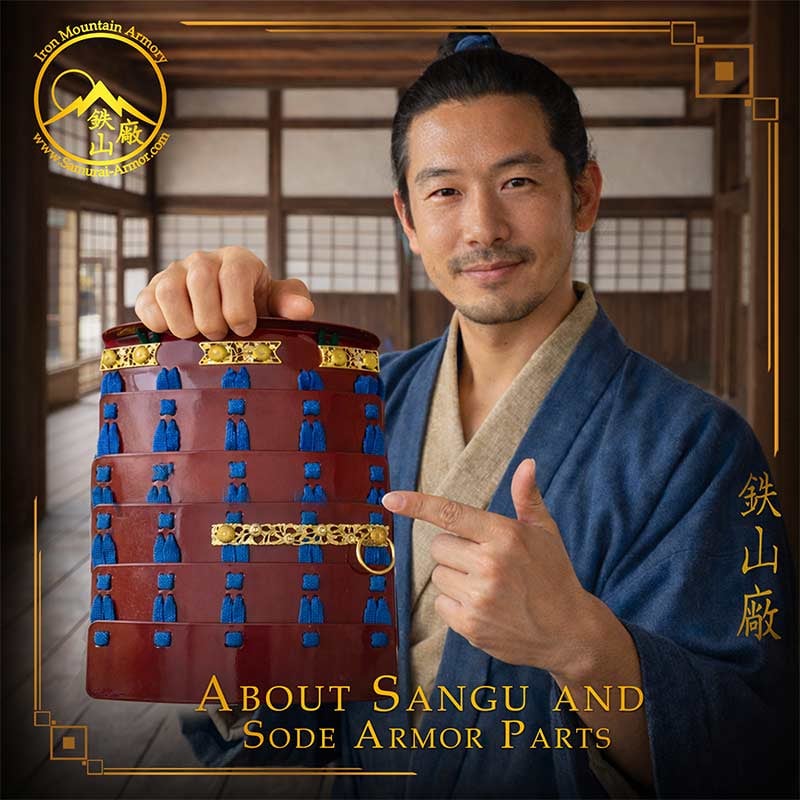
Sangu (often taught as the “three essentials”) are the core pieces that guard a samurai’s limbs: kote (armored sleeves), haidate (thigh guards), and suneate (shin guards). They look like “details” to beginners—until you move in armor. Then you realize: these are the parts that let a warrior stay mobile, keep fighting, and walk away intact.
In this guide, we’ll cover the history, battlefield purpose, and evolution of each piece, and we’ll walk through them in the same order they’re commonly donned—like a dojo instructor helping you suit up for the first time. Along the way, you’ll find direct internal links to build your kit piece-by-piece using historically inspired reproductions crafted by Iron Mountain Armory.
Browse Samurai Armor Parts (Build Your Set Piece by Piece)
If you want to understand why these parts exist, you need one foundational idea: samurai armor began as an archer’s armor. Early battlefield priorities favored surviving arrows, staying mounted, and controlling range. Over centuries—especially as warfare shifted toward mass infantry, spears, and close fighting—armor adapted. That evolution is why certain parts grow larger, shrink smaller, become more flexible, or gain additional coverage.
A classic example is the sode (shoulder guards). The older, broad “shield-like” look is strongly associated with mounted archery, while later periods often favor smaller, more mobile forms as weapon mixes change and close-quarters fighting becomes more common. (We include sode here because it helps you read the “language” of how armor moved across eras.)
Quick reference: Samurai Armor Terms & Glossary
A gusoku (full matching armor set) is modular: pieces can be upgraded, replaced, mixed for purpose, and adapted for training, reenactment, LARP, or display. That modular nature is exactly why building “piece-by-piece” is not only possible—it’s historically in the spirit of how armor lived and changed.
Want the fastest overview of how the set goes together? This page is worth bookmarking: How to Wear Samurai Armor (Donning Guide)
In a dojo, the first thing a teacher watches is your stance and footwork. On a battlefield, the legs are the same: vulnerable, constantly exposed, and constantly moving. Suneate protect the front of the lower leg from strikes, glancing cuts, and collisions during close-range chaos.
Historically, as warfare intensified and fighting on foot became more dominant, lower-body protection gained importance. Shin guards evolve from simpler guards to more structured, plated designs that better absorb impact while remaining wearable for long periods. The goal wasn’t to turn the legs into a brick wall—it was to protect without stealing mobility.
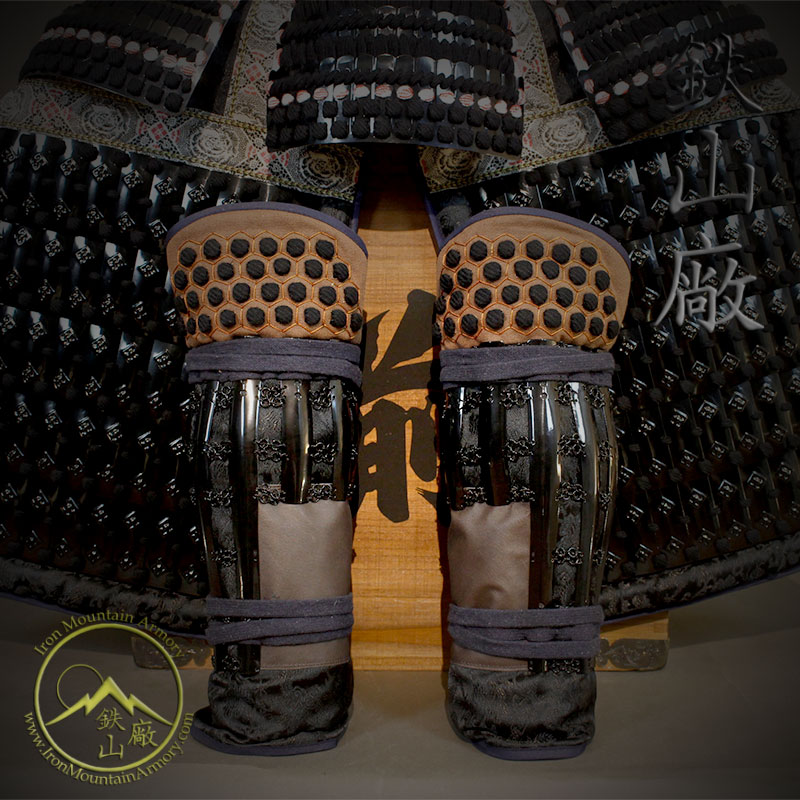
In modern use—training, reenactment, or display—the right suneate choice is about your intent: mobility and breathability, or maximum coverage and visual authority. Either way, suneate set the tone: they’re the first piece on, and they signal your “fighting spirit” before anyone even sees your helmet.
If shin guards protect movement, haidate protect commitment. Thighs take punishment in grappling range: spear thrust angles, cuts during lateral movement, and impacts when dropping into stance or stepping through pressure. Haidate are often described as an “armored apron,” tied at the waist and hanging over the thighs beneath the skirt-like armor sections.
Historically, haidate don’t always appear as universally worn in early depictions—especially when mobility was prioritized or armor budgets varied. But as conflicts intensify and wound patterns change, thigh protection becomes harder to ignore. The designs evolve into forms that sit securely, distribute weight, and protect without constantly snagging or shifting.
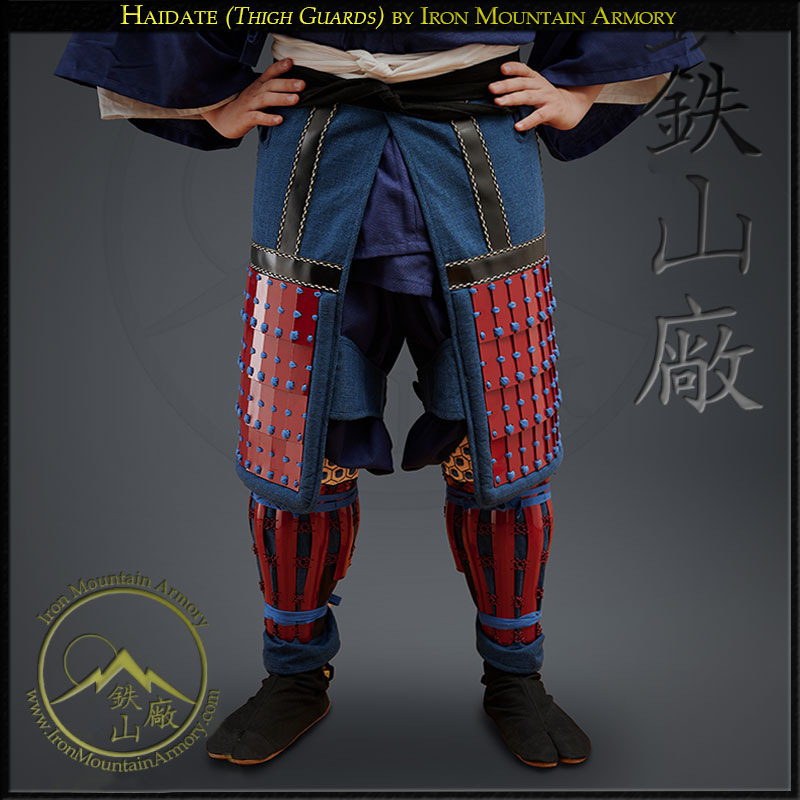
Haidate also teach a psychological lesson: they’re the point where a kit stops being costume and starts being equipment. When you tighten the ties and feel the weight settle correctly, you understand why the samurai valued discipline in how armor was worn.
The arms are where your intent becomes action. Whether you’re drawing a sword, handling a yari, controlling a bow, or gripping for a throw— arms take strikes, abrasions, and binding pressure. Kote are armored sleeves designed to protect the forearm, elbow area, and often the back of the hand, while keeping enough dexterity to still fight.
Many historical and practical interpretations emphasize a key detail: armor doesn’t need to cover every inch to be effective. Kote often prioritize the outer arm and high-risk zones, while leaving inner sections more flexible to reduce snagging and improve comfort. Underlayers and proper dressing (wrapping sleeves correctly) also contribute to safety and mobility.
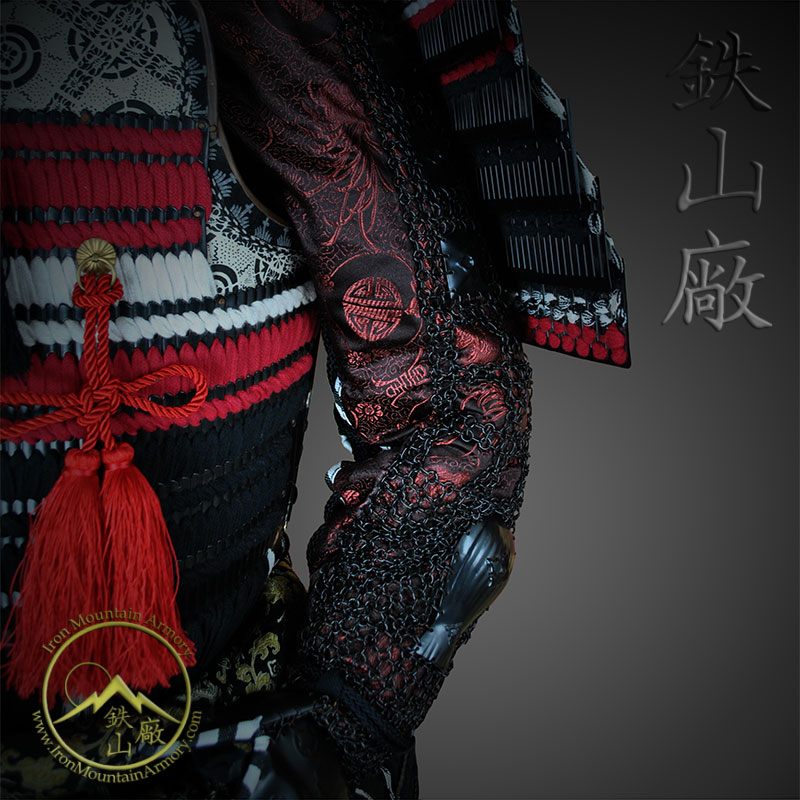
For most modern customers—martial artists, reenactors, and LARP—kote are where customization matters the most: glove type, hand coverage, plate style, mobility, and fit all change how the piece feels in motion.
Technically, sode aren’t always counted in the “three” of sangu—yet visually and historically, they are one of the most iconic parts of samurai armor. Sode defend the shoulder and upper arm line, but they also communicate rank, silhouette, and intimidation. They are armor that speaks.
Remember the archer truth: early armor is strongly shaped by missile threats. Larger shoulder designs can act like mounted shields when archery is a defining battlefield danger. As combat evolves and mobility becomes more important in close fighting, shoulder armor frequently becomes smaller, more compact, and more maneuverable. In short: when the battlefield changes, the shoulder changes.
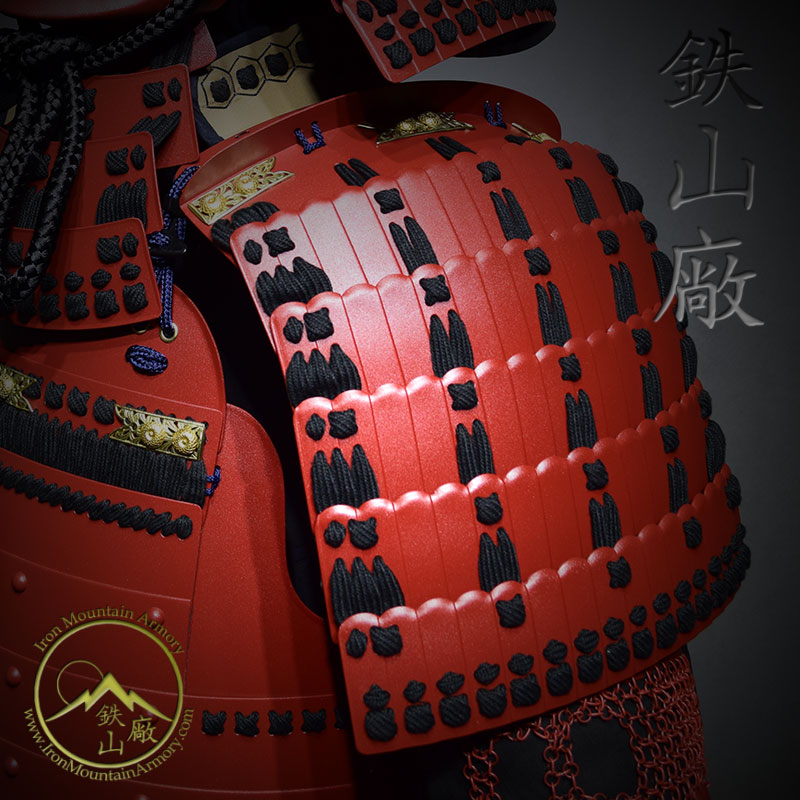
If your goal is a “modern warrior” look, sode are one of the best upgrade pieces: they can transform a kit’s profile instantly—especially when matched to lace color and finish.
Many people assume they must buy a full armor set in one step. In reality, building piece-by-piece is one of the smartest ways to create a kit you’ll actually use—and one of the most historically natural ways armor would be maintained and improved over time.
Start with the pieces that matter most for your purpose:
Start here: Samurai Armor Parts (Build Your Custom Armor)
One of the biggest strengths of Samurai-Armor.com is the depth of customization. Most options have a “?” next to them explaining what the choice means and how it affects your build. This keeps the process transparent and helps you make decisions like a builder, not a gambler.
If you want the full walkthrough, this page is the anchor: Custom Samurai Armor Order Options Explained
And if you want quick answers, shipping clarity, and process reassurance: Samurai Armor Clothing Accessories FAQ
Samurai-Armor.com is the retail experience—built to guide customers through ordering, customization, and support. The armor itself is produced through Iron Mountain Armory’s workshop pipeline, where designs are developed, tested, and refined. If you’re the kind of buyer who cares about “who made this and why,” start here:
Sangu commonly refers to the three core limb defenses: kote, haidate, and suneate. They protect arms, thighs, and shins—the zones most likely to be exposed during movement and close fighting.
Because sode teach you how armor “thinks.” Shoulder armor changes with battlefield threats and weapon shifts, and it strongly affects silhouette—especially for reenactors and collectors.
Yes—and it’s often the smartest approach. Start with the parts that match your use case, then upgrade your kit as your goals evolve. Begin here: Samurai Armor Parts
Use the “?” tooltips on product pages, and for the full guide: Order Options Explained
Armor isn’t only a shell. It’s a discipline. If you’re building a kit for the dojo, the field, or the display hall, sangu are where your armor stops being “a look” and becomes “a system.” Start with the foundation, then upgrade with purpose.
Explore the full parts library here: Samurai Armor Parts (Build Your Set)