The Hat of the Marching Warrior
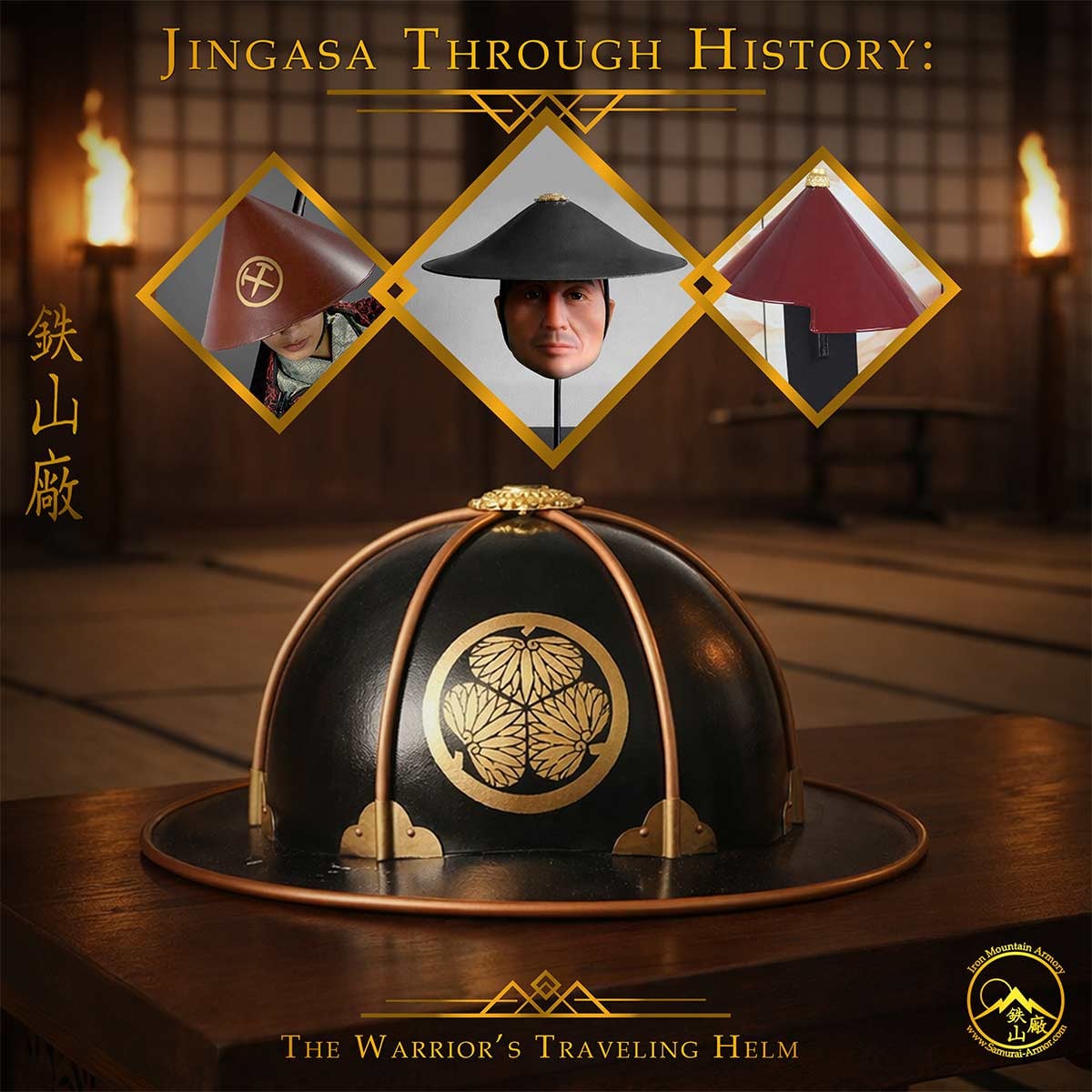
When people think of a samurai helmet, they usually picture a full kabuto crowned with a fierce crest. Yet across Japan’s long military history, warriors also relied on a quieter form of protection and identity: the jingasa, a practical “war hat” used for travel, patrol, camp duty, and certain battlefield roles.
If you want to explore the broader helmet category, start here: Samurai Kabuto (Samurai Helmet) and for terminology, see: Samurai Armor Terms & Glossary .
A modern man doesn’t need a battlefield to walk the warrior’s path. The point is intent, discipline, and the humility to keep learning. A jingasa is often the first step, lighter than a full helmet, historically grounded, and deeply symbolic.
What Is a Jingasa?
A jingasa is a lightweight military hat or helmet, historically made in materials such as iron or lacquered leather, and used as a practical head covering for men in service roles ranging from ashigaru to samurai retainers. In short, it sits between “mere hat” and “full kabuto”, with a strong emphasis on real-world utility.
Internal shopping shortcut if you want to build a kit over time: Samurai Armor Parts, DIY & Build Your Own .
Six Jingasa Styles, Formed by Function
Below are six well-known jingasa profiles, each with its own purpose and personality. For each, you’ll see a clickable thumbnail that links directly to the product page for deeper specs, options, and current availability.
Ichimonji Gasa (Flat Hat)
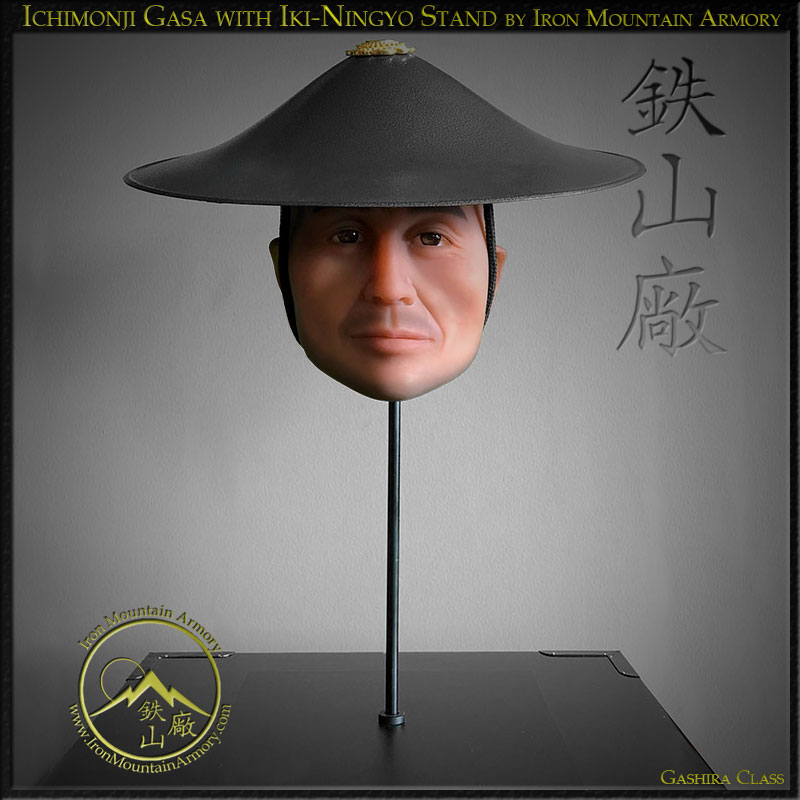
The Ichimonji Gasa is a disciplined silhouette, flat, wide, and understated. It reads as a “traveling helm” for men who served with reliability rather than spectacle. The shape helps with sun and rain, and its low profile avoids the dramatic height of conical forms.
Historically, flat or low-profile war hats often appear in contexts where mobility and long hours matter: escorts, messengers, and domain service roles. It’s a clean starting point for collectors and reenactors, and it pairs naturally with clothing kits and lighter armor builds.
Product link: Ichimonji Gasa (Flat Hat)
Ensui Jingasa (Conical Hat)
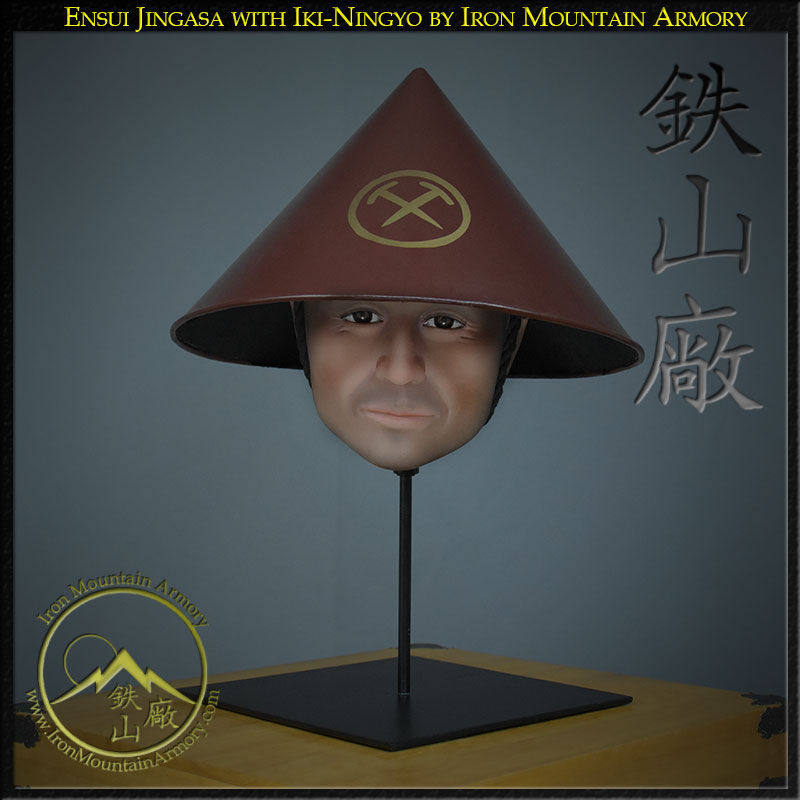
The Ensui Jingasa is the iconic cone. Its geometry sheds rain efficiently and creates a distinctive outline that’s instantly “period-correct” in photos, events, and displays. In spirit, it’s the field hat of a man in motion, walking the road with purpose.
Conical jingasa are commonly associated with ashigaru and working military roles, but they also appear in settings where practicality outranks ornamentation. It is a strong choice if your goal is a historically grounded look that reads clearly at a distance.
Product link: Ensui Jingasa (Conical Hat)
Bajo Jingasa (Horseman’s War Hat)
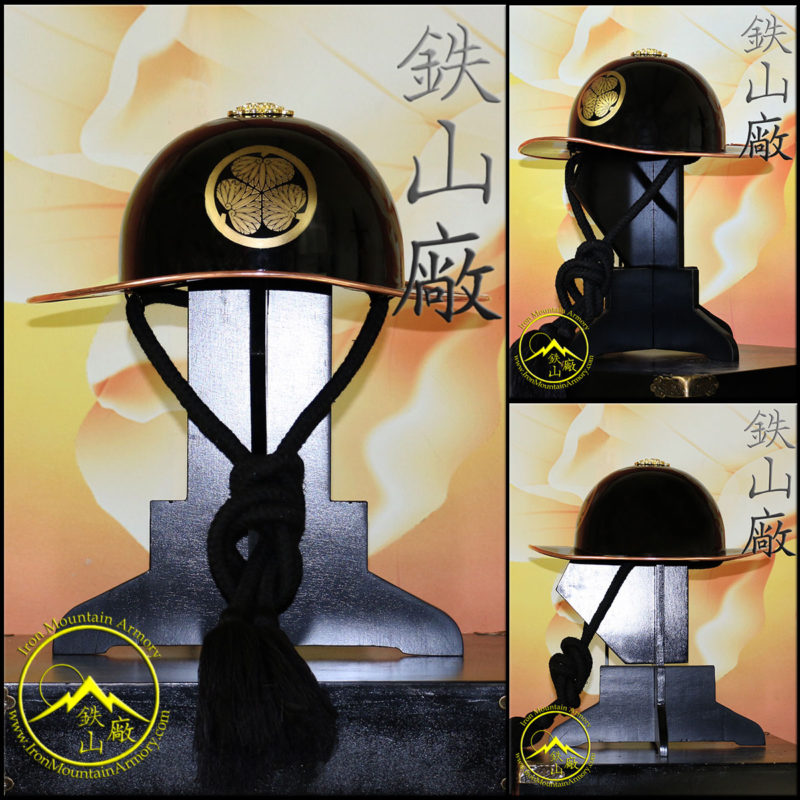
The Bajo Jingasa carries a mounted character. Its domed form tends to feel more stable in motion, and visually it sits closer to the helmet family than many “hat-like” silhouettes. It is a practical expression of rank and readiness, with a profile that blends travel utility and martial identity.
If the conical jingasa is the road, the bajo is the escort. It pairs well with a kit built for display or formal presence, and it layers naturally into a step-by-step armor journey, starting with headgear, then adding parts over time.
Product link: Bajo Jingasa Gashira Class
Mekure Toppai Gata Jingasa (Arched, Capped Cone Profile)
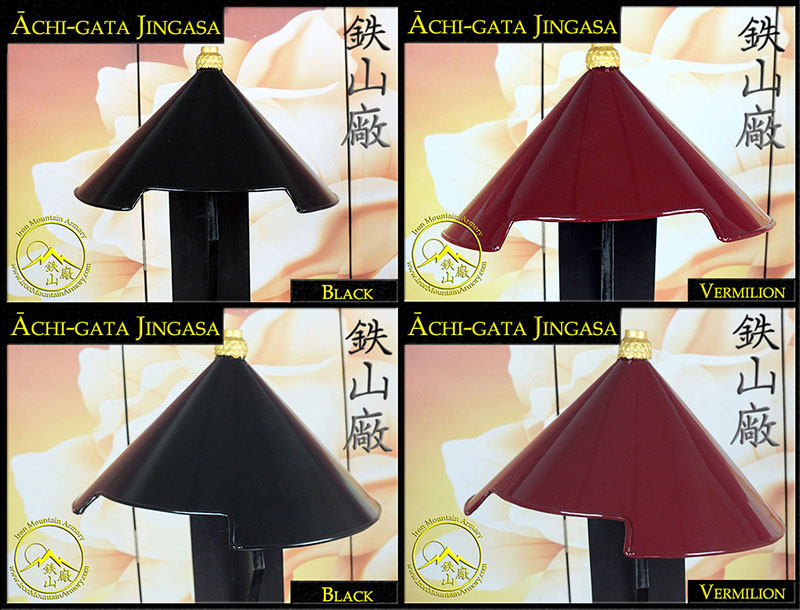
The Mekure Toppai Gata stands out through its refined geometry. Rather than a plain cone, its structure feels “finished”, controlled, and deliberate, as if built for order, not chaos. This type reads strongly in an Edo-minded aesthetic, when appearance and discipline often carried social meaning.
For collectors and reenactors, this profile is ideal when you want a jingasa that looks like it belongs to a specific role, not just a generic war hat. It also photographs beautifully, especially in black lacquer tones and subdued crests.
Product link: Mekure Toppai Gata Jingasa
Ko-Gashira Bajo Jingasa (Compact Bajo Variant)

The Ko-Gashira Bajo Jingasa keeps the mounted character of the bajo, but tightens the profile into something more compact and discreet. It is the kind of headpiece that signals capability without demanding attention.
If your end goal is a full armor kit, this style makes a strong “first step” because it integrates easily with many looks, from clothing-only builds to partial armor assemblies.
Product link: Ko-Gashira Bajo Jingasa
Tetsu Jingasa (Iron Jingasa)
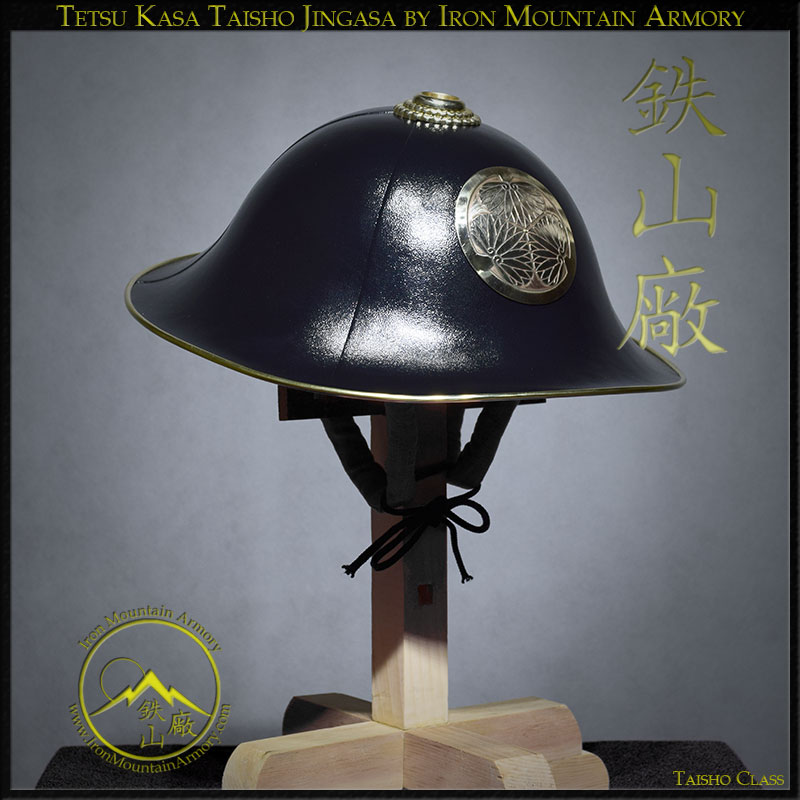
The Tetsu Jingasa is the most martial expression in this lineup, an iron war hat that sits closer to helmet territory. It has the presence of authority, but still carries the “campaign practicality” that defines jingasa as a category.
For the modern collector or martial artist, this is a powerful symbol piece. It does not promise invincibility, but it does speak clearly, you chose the path, you respect the history, and you’re building something real.
Product link: Tetsu Jingasa (Taisho Class)
FAQ: Jingasa for Collectors, Dojos, and Displays
Is a jingasa the same as a kabuto?
No. A jingasa is generally lighter and simpler, built for practical service roles and long use, while a kabuto is the more traditional “battle helmet” category with broader structural complexity.
Can I start a samurai kit with a jingasa?
Yes, and historically, building a kit over time is normal. If you are not ready for a full suit, starting with headgear is a legitimate first step. If you found your way here, you were already guided by your warrior spirit.
How do jingasa fit into a full armor journey?
Many men begin with the most visible pieces (headgear and clothing) and then build toward armor parts and full sets. If you want to explore that “build your set piece by piece” approach, this internal page is a strong hub: Samurai Armor Parts, DIY & Build Your Own .
What should I read next?
If you want to go deeper into terminology (and avoid confusion as you level up), keep the glossary bookmarked: Samurai Armor Terms & Glossary .
A jingasa is not about pretending to be a warrior. It is a reminder to live like one. If you’re not ready for a full armor set today, build it piece by piece, let your discipline grow into the kit, and let the kit become a mirror of your growth.
Begin Your Journey, One Piece at a Time
You did not arrive here by accident. An interest in samurai armor is rarely casual, it is the echo of discipline, history, and self-mastery calling forward. If you are not ready for a full armor set today, begin where warriors often did, with a single, meaningful piece. Build your samurai armor kit over time, let your effort earn each addition, and allow your armor to become a true manifestation of your warrior spirit.