- Traditionally Handcrafted
- Customizable
- Shipped Direct From The Armory
- Best Price Guarantee
- World wide delivery
Menpō (Samurai Masks) Explained: History, How They Were Worn, and Every Major Style of Mengu
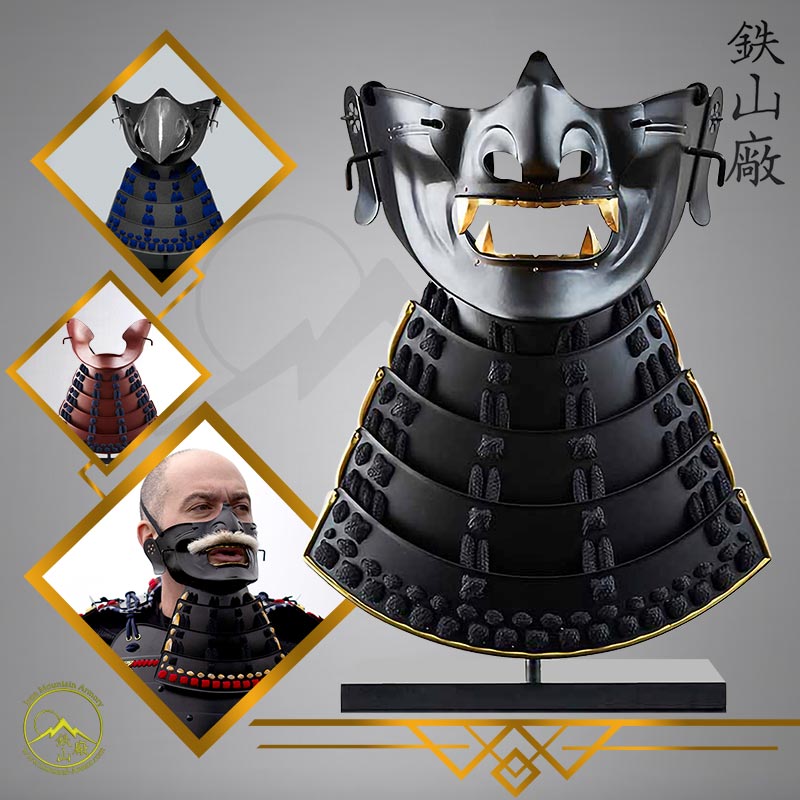
Learn what a menpō is, why samurai wore mengu (Japanese face armor), how masks tied into the helmet and throat protection, and how each style differs—hanbō, happuri, hоate, menpō, so-men, sōmen, plus fierce variants like tengu menpō and ressei sōmen.
A menpō is a style of traditional Japanese mengu (samurai face armor) that covers the lower face and usually includes a laced or plated throat section. In battle it protected vulnerable facial bones and the jawline, helped guard the throat, and served a psychological role—projecting intimidation, resolve, and the warrior’s presence even before the first strike.
In most armor traditions, menpō were worn with a kabuto (helmet) and were part of a bigger “coverage puzzle” that included cheek protection, throat defenses, and neck guards such as the nodowa (gorget).
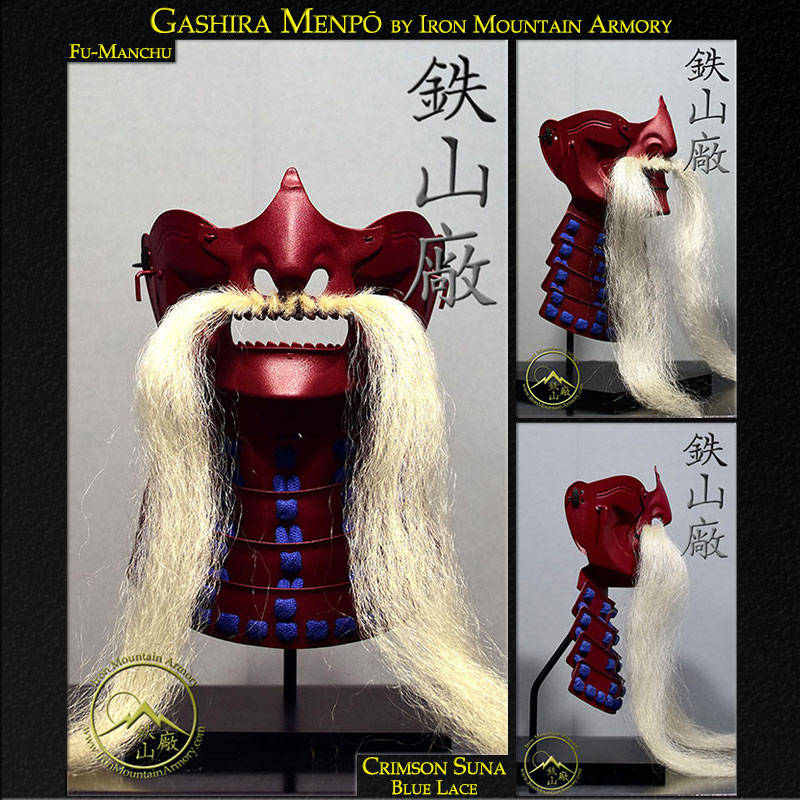
The classic lower-face samurai mask—built for jaw, cheeks, and presence.
View Menpō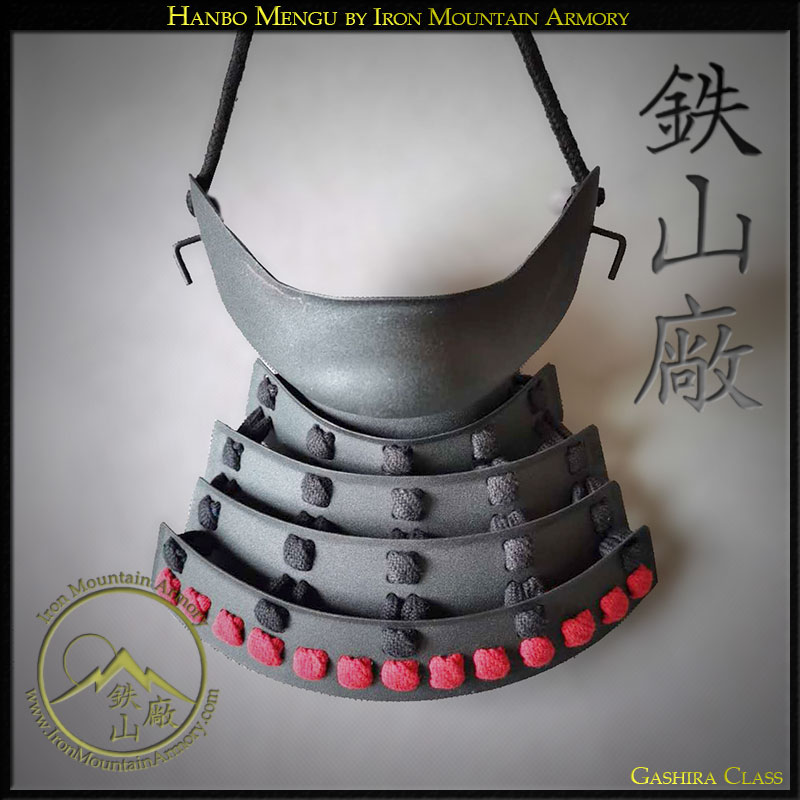
Minimal coverage for jaw + lower face—clean, practical, fast to wear.
View Hanbō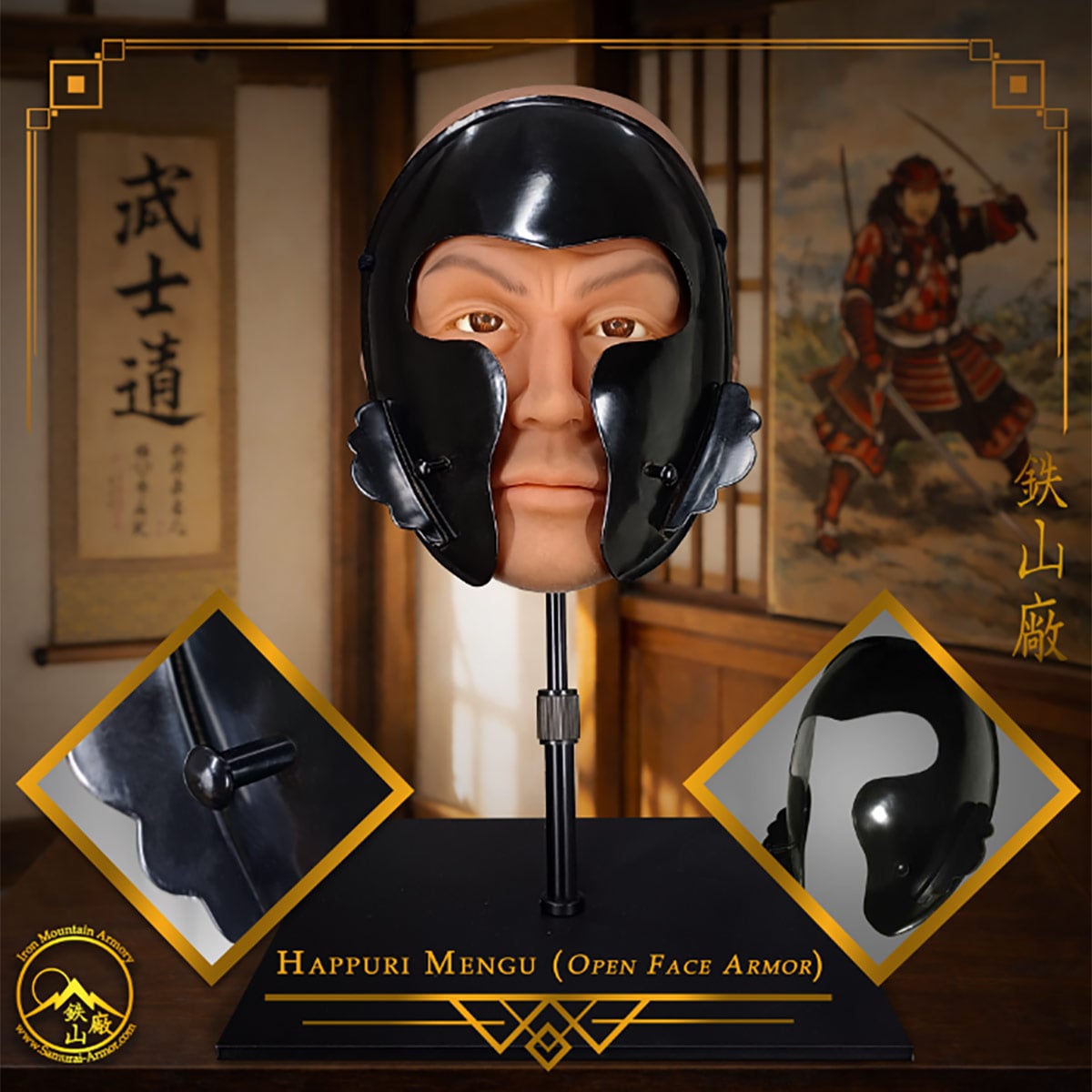
A lighter, open-face style—forehead/temple protection while keeping the face unobstructed.
View Happuri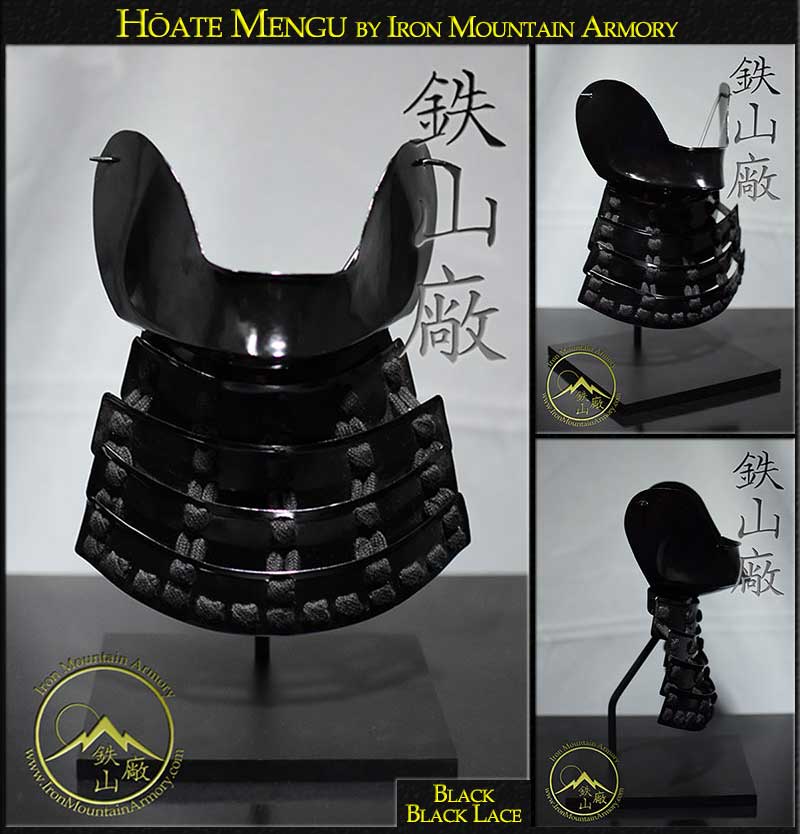
Cheek-and-jaw focused coverage—often paired with a separate throat guard.
View Hоate (Gashira)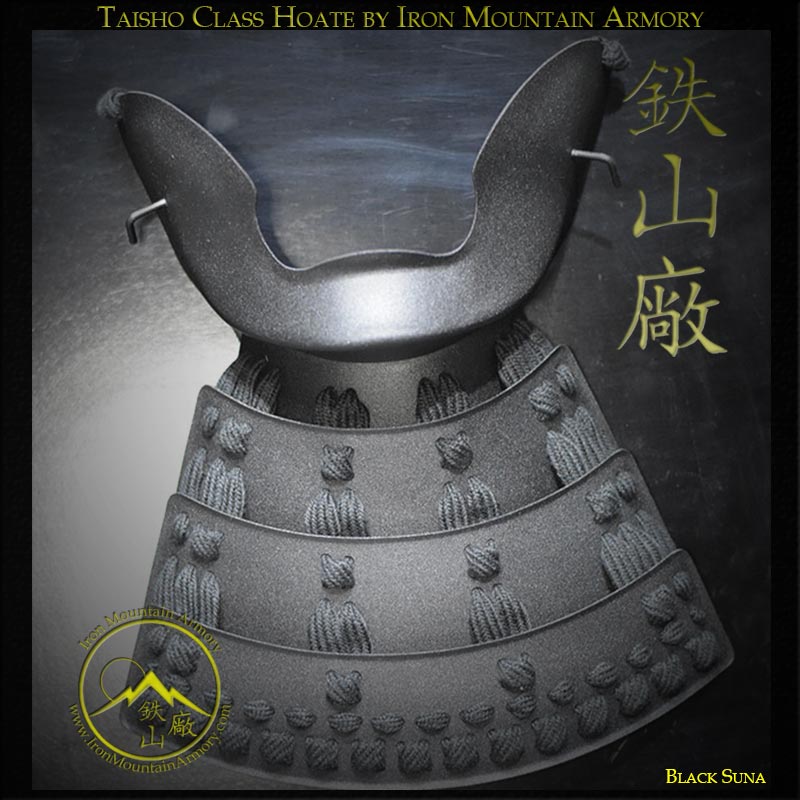
Elevated finish and presence—ideal for premium armor builds and displays.
View Hоate (Taisho)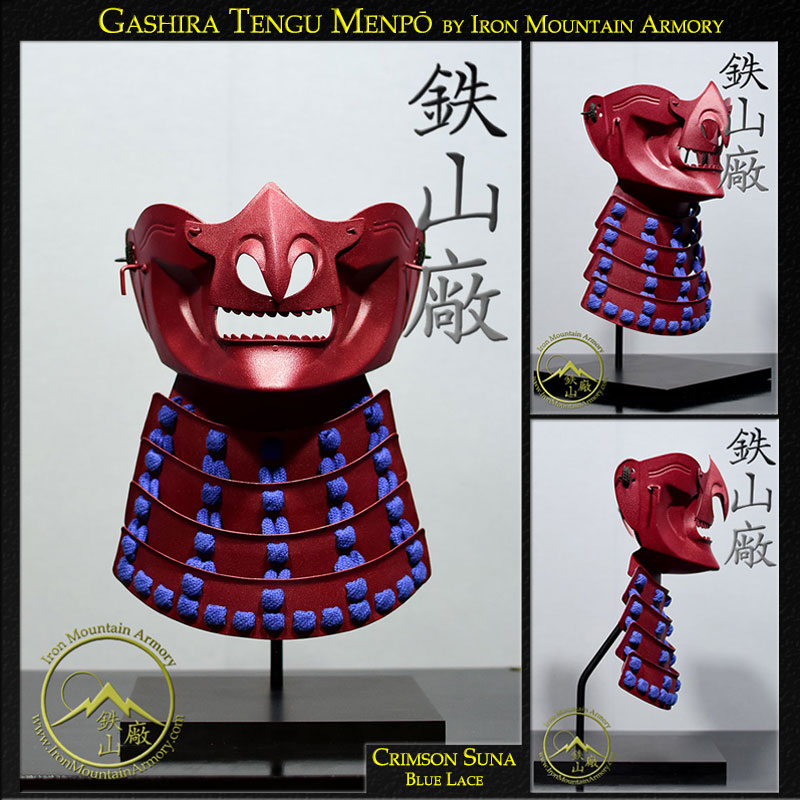
A striking “tengu” nose profile—mythic intimidation meets battlefield silhouette.
View Tengu Menpō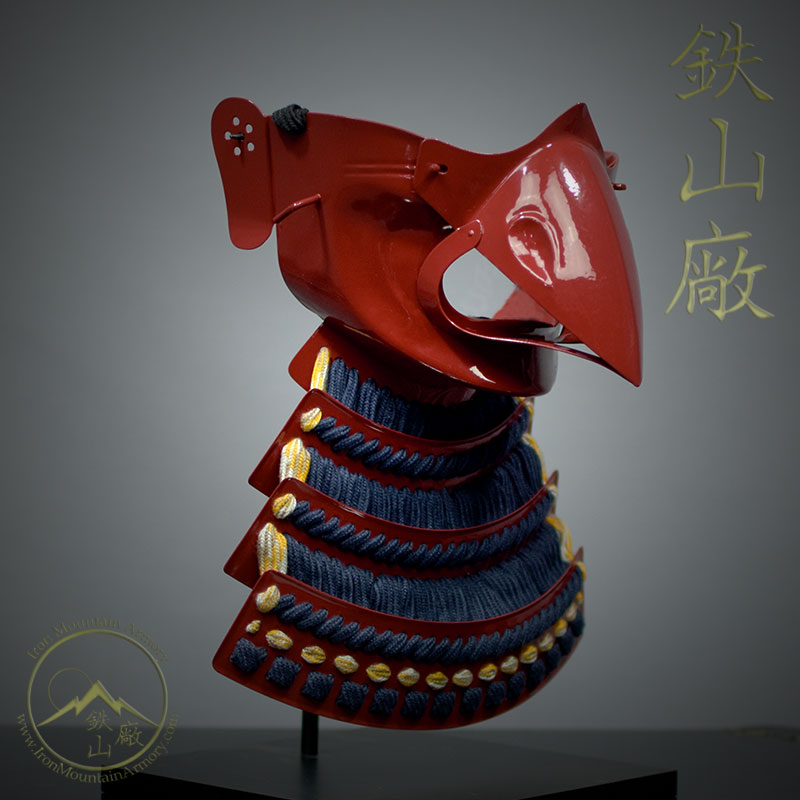
The “long-nose” tengu form—dramatic profile and premium display impact.
View O-Tengu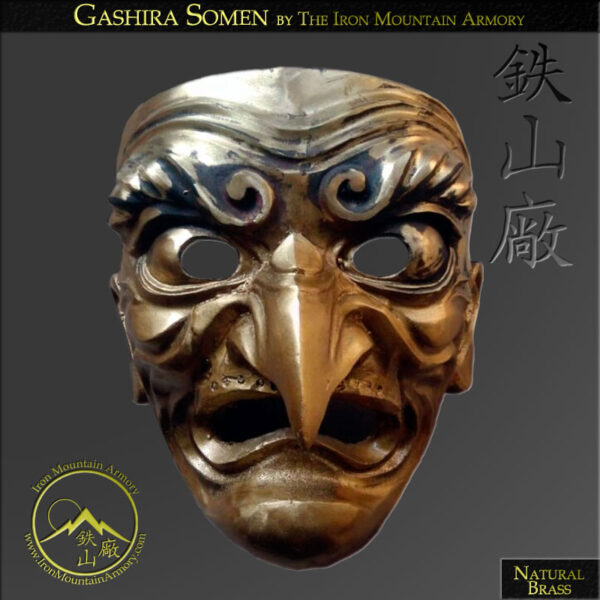
A stylized full-face look that leans ceremonial—perfect for themed builds.
View So-Men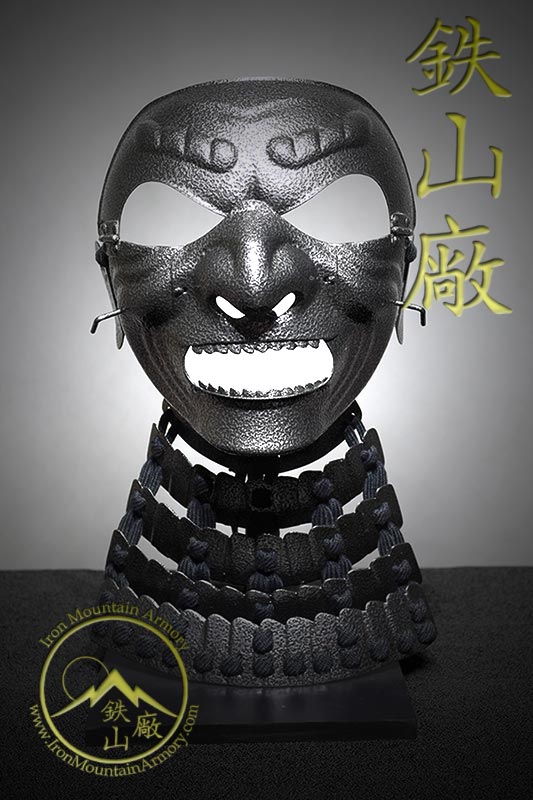
Full facial coverage—an iconic silhouette for collectors and high-impact displays.
View SōmenA more aggressive interpretation of full-face armor—built to look formidable and commanding.
View Ressei Sōmen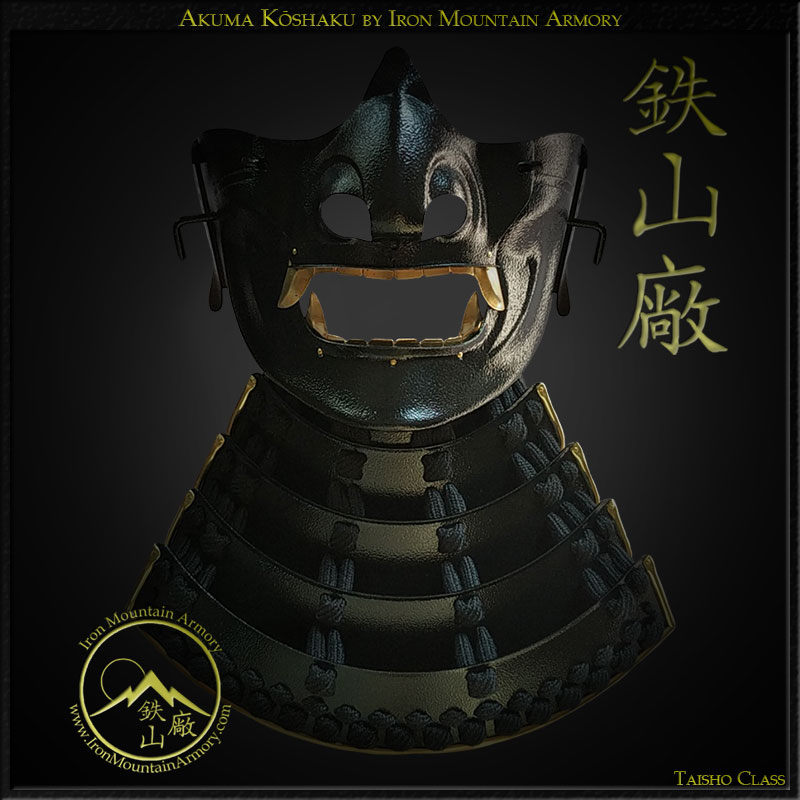
A ferocious menpō variant with fangs—made for intimidation and dramatic presence.
View Akuma Koshaku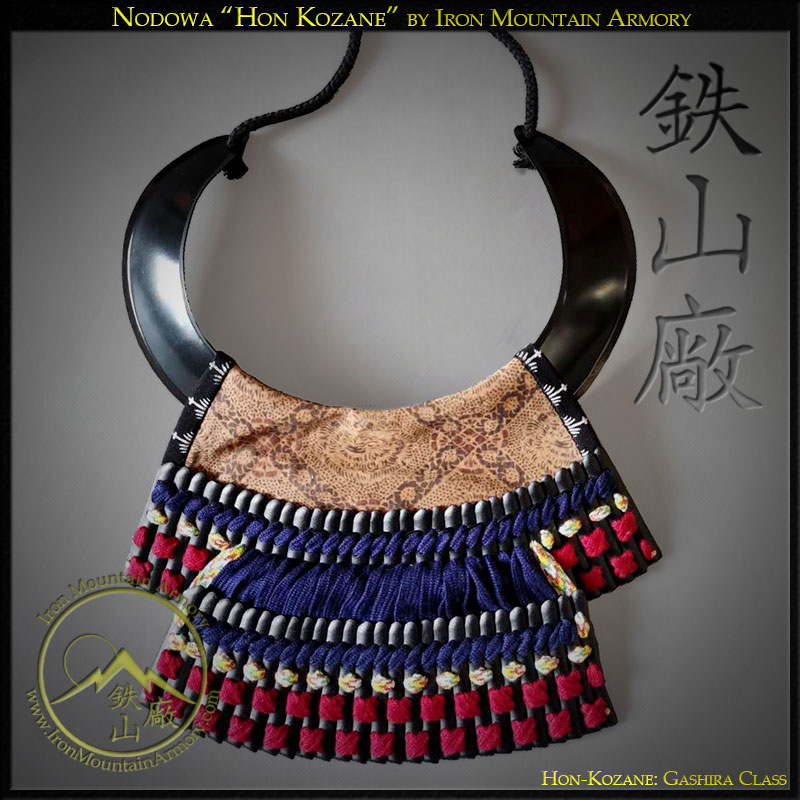
The gorget-style defense for the neck and throat—often paired with lighter masks.
View Nodowa (Gashira)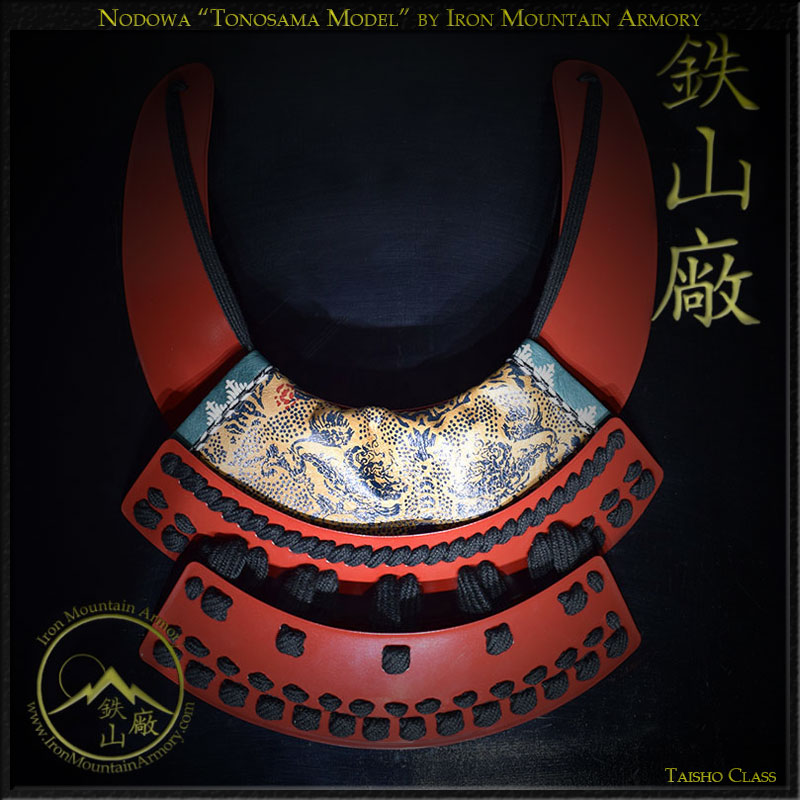
Elevated finish and visual presence—ideal for high-end armor sets and display builds.
View Nodowa (Taisho)Tip: Each thumbnail opens the full image in a new tab. Product links open the item page.
Samurai face armor evolved for one simple reason: the face is fragile, and the battlefield is unforgiving. As Japanese armor developed through the medieval period into the Sengoku era, commanders looked for ways to protect the jaw, cheeks, and throat—especially against glancing cuts, spear thrusts, and close-range impacts.
Over time, mengu became both functional and symbolic. A menpō didn’t just guard the wearer—it transformed the wearer. The mask turned emotion into stillness and fear into a hard surface. For enemies, it removed the comfort of seeing a human face.
Most menpō were secured with cords that tied behind the head. Proper fit matters: the mask should sit stable on the face without shifting when the wearer turns, bows, or takes impact. A well-fitted mask distributes pressure along the cheeks and chin, keeping the eye area clear and the breathing area unobstructed.
Many menpō include a laced or plated throat section (often described as a “bib” or lames) that helps protect the front of the neck. But throat defense can also be handled by a separate piece: the nodowa, a gorget worn around the neck and upper chest.
In practice, nodowa is especially useful when the face armor is lighter (like a hоate or happuri) or when you want robust throat coverage without committing to a full menpō or sōmen. Explore nodowa options here: Nodowa (Gashira) and Nodowa (Taisho).
Happuri is a lighter style of face/forehead protection that keeps much of the face open. It’s a strong choice for comfort and visibility while still adding a protective “frame” around vulnerable areas. Happuri Mengu
Hоate focuses on the cheeks and jawline—excellent protection where cuts and blunt impacts often land. It’s commonly paired with throat protection (like a nodowa) for a balanced setup. See: Hоate (Gashira) and Hоate (Taisho).
Hanbō is a minimal lower-face defense—covering the jaw and sometimes extending into the upper throat area. It’s ideal for those who want the “samurai mask” feel with lighter coverage and easier breathing. Hanbō Mengu
Menpō is the iconic lower-face mask most people imagine: protective, expressive, and built to anchor the warrior’s silhouette. It typically covers the cheeks and chin and often includes throat lames—creating that unmistakable “mengu” profile. Menpō (Gashira)
Tengu menpō styles amplify intimidation with a beak-like or long-nose profile inspired by legendary tengu imagery. These are popular in ceremonial, display, and high-impact themed armor builds. Explore: Menpō with Tengu (Gashira) and O-Tengu Menpō (Taisho).
Full-face masks push protection and presence to the extreme. Depending on style, they can emphasize theatrical intimidation, elite display, or a more complete “armored visage.” For options, see: So-Men (Gashira), Sōmen (Taisho Full Face), and the more aggressive Ressei Sōmen (Taisho).
Some menpō lean into mythic fear—fangs, snarls, and “demon lord” energy. These designs are built for impact: a mask that doesn’t just protect, but declares dominance. If you want a menpō that feels like a war banner for the face, start here: Akuma Koshaku Menpō.
Menpō is the classic lower-face mask with stronger coverage and often a throat section. Hanbō is more minimal (jaw/lower face). Hоate emphasizes cheeks and jawline, and is commonly paired with a nodowa for throat protection.
A nodowa is a gorget-style throat guard worn around the neck and upper chest. It helps protect the throat—especially when you’re using a lighter face armor style or you want extra coverage. Explore: Nodowa (Gashira), Nodowa (Taisho).
Beyond protection, mengu were psychological armor—designed to intimidate, to project strength, and to turn the wearer into a symbol. Tengu designs and fanged “demon” expressions amplify that effect for display, ceremony, and themed armor builds.
Want to explore more? Start with the core category pieces: Menpō, Hоate, Nodowa, and Sōmen.