The Quiet Armor of the Watchful Warrior
Not every warrior walked the road in a full kabuto. Sometimes the mission demanded subtlety, comfort, and speed. That is where lighter head protection comes in, pieces like hachigane, the ita-mono hachigane, the foldable tatami hitaiate kusari, and the hooded karuta tatami zukin.
Quick answer (Featured Snippet friendly): A hachigane is an armored headband worn to protect the forehead, often under a helmet or by itself when full headgear was impractical. An ita-mono hachigane is a hachigane built around a single curved plate. A hitaiate is a forehead protector, and tatami hitaiate kusari adds foldable chainmail coverage. A tatami zukin is a foldable armored hood, and a karuta tatami zukin reinforces that hood with small plates.
Definitions How They Were Worn Hachigane Ita-Mono Hachigane Tatami Hitaiate Kusari Karuta Tatami Zukin How to Choose FAQ References
Looking to build your kit step by step? Start with the hub: Samurai Armor Parts . For helmet context, see: Samurai Kabuto (Samurai Helmet) .
Definitions, Clear and Simple
Hachigane: Armored headband, designed to protect the forehead when a full helmet is not worn or is layered above it.
Ita-mono hachigane: Hachigane built around an ita-mono (single plate), typically curved to fit the brow.
Hitaiate: Forehead protector, often worn for travel, patrol, or situations requiring lighter head protection.
Tatami hitaiate kusari: A foldable hitaiate style incorporating kusari (chainmail), intended to provide flexible coverage.
Zukin: Hood, in armor context often an armored hood form used alone or under a helmet.
Karuta tatami zukin: A foldable armored hood reinforced with karuta (small plates) linked by chainmail.
All of these pieces share a single battlefield truth: a warrior does not always choose the ideal conditions. Some days you wear the full formality of a helmet, other days you need something practical that still honors the craft.
How Samurai Wore Lightweight Head Protection
The most reliable way to think about these items is as layers. A full kabuto was not always convenient, and not every role required it. Forehead guards and hoods gave coverage without forcing the commitment, weight, and profile of a traditional helmet.
How to wear them (Featured Snippet friendly):
- Hachigane is tied around the head like a headband, positioned so the armored section sits across the forehead.
- Ita-mono hachigane is worn the same way, but with a single curved plate centered on the brow.
- Tatami hitaiate kusari is positioned as a forehead guard with flexible chainmail coverage that can drape and conform.
- Karuta tatami zukin is worn like an armored hood, either alone or layered beneath a kabuto for added coverage.
If you want terminology support while reading or ordering: Samurai Armor Terms & Glossary .
Hachigane (Armored Headband)
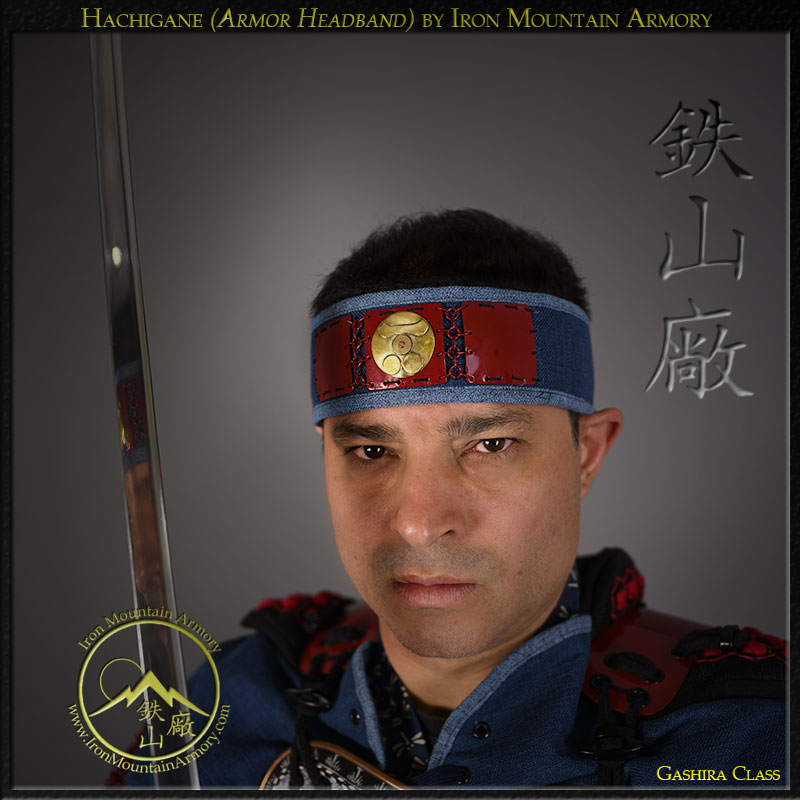
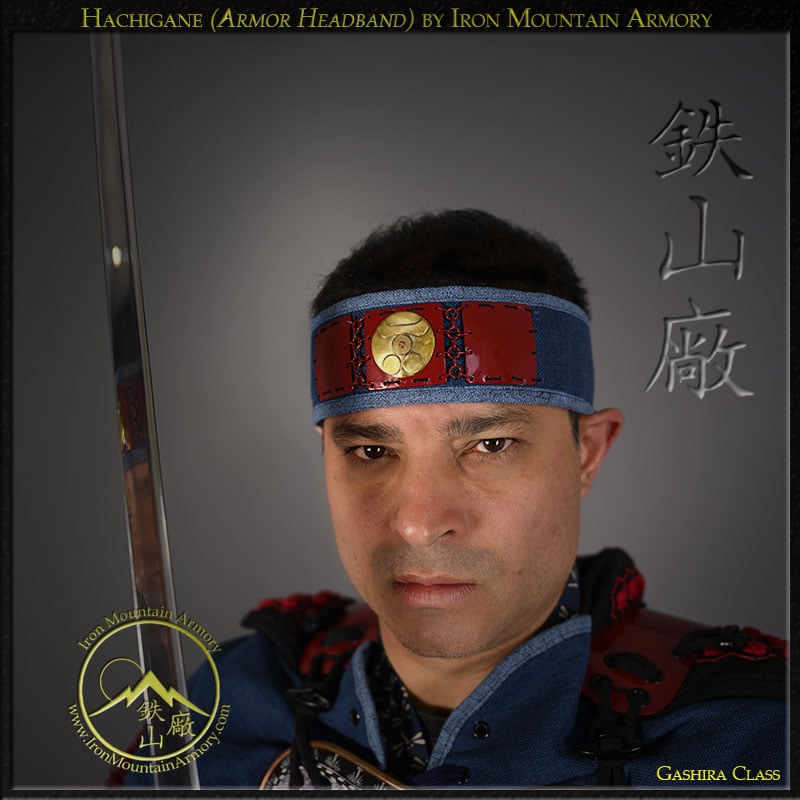
The hachigane is one of the cleanest expressions of “less, but enough.” It exists for moments when head protection matters, but a full kabuto is not practical. As a concept, it fits travel, patrol duty, and the uncomfortable middle ground where a warrior must be ready without being burdened. Samurai-Armor.com describes this style as a forehead defense built from multiple plates linked by chainmail, sewn into a tied headwrap, and also notes historical use by samurai and likely shinobi.
From a modern wearer’s perspective, this is a foundational piece for the “samurai armor kit” mindset. It is visible, historically readable, and easy to integrate into a clothing build, a display kit, or a step-by-step armor journey that eventually becomes a full custom set.
Product page: Hachigane (Armored Headband)
Ita-Mono Hachigane (Armored Headband)
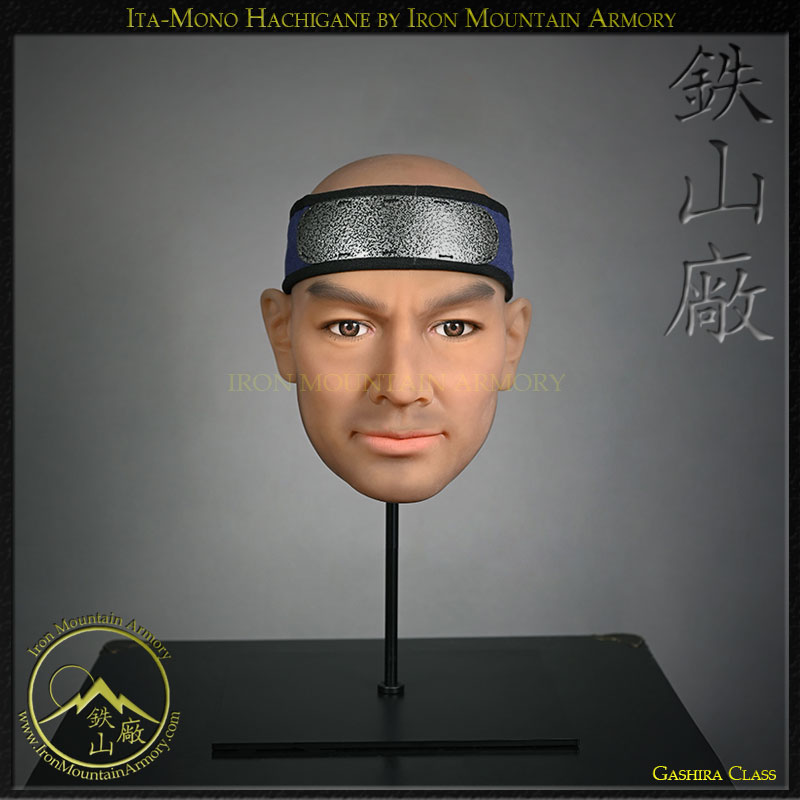
If the standard hachigane feels like flexible field gear, the ita-mono hachigane is its more focused cousin, built around a single, curved plate that sits cleanly against the brow. Samurai-Armor.com frames it as a piece worn from the Sengoku through Edo period, intended to guard the forehead from sudden blows, while keeping a low profile suitable for movement and vigilance.
Historically, this style makes sense for anyone who had to move fast, keep their identity discreet, or simply avoid the bulk of full headgear. In a modern collection, it reads as a disciplined piece, the kind of gear that says you care more about authenticity than theatrics.
Product page: Ita-Mono Hachigane (Armored Headband)
Tatami Hitaiate Kusari (Chainmail Forehead Protector)
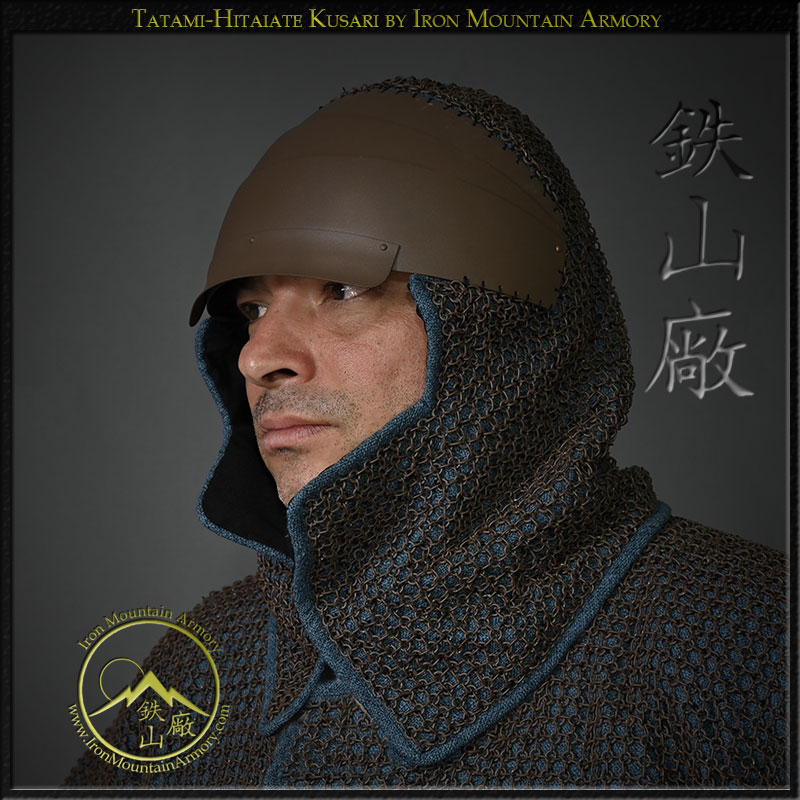
The word hitaiate points you directly to its purpose: forehead protection. The addition of kusari (chainmail) introduces flexible coverage that can drape and conform, which is the heart of tatami thinking, gear designed to be portable, adaptable, and easier to stow or transport than rigid armor components.
For the modern warrior path, this piece sits in a special spot: it looks unmistakably martial, it reads historically, and it complements clothing kits without demanding the full silhouette of a kabuto. It is also a smart bridge piece if your long-term goal is a full armor set, but you want to earn it slowly, one authentic component at a time.
Product page (tracking parameters removed): Tatami Hitaiate Kusari (Chainmail Forehead Protector)
Karuta Tatami Zukin (Armored Hood)
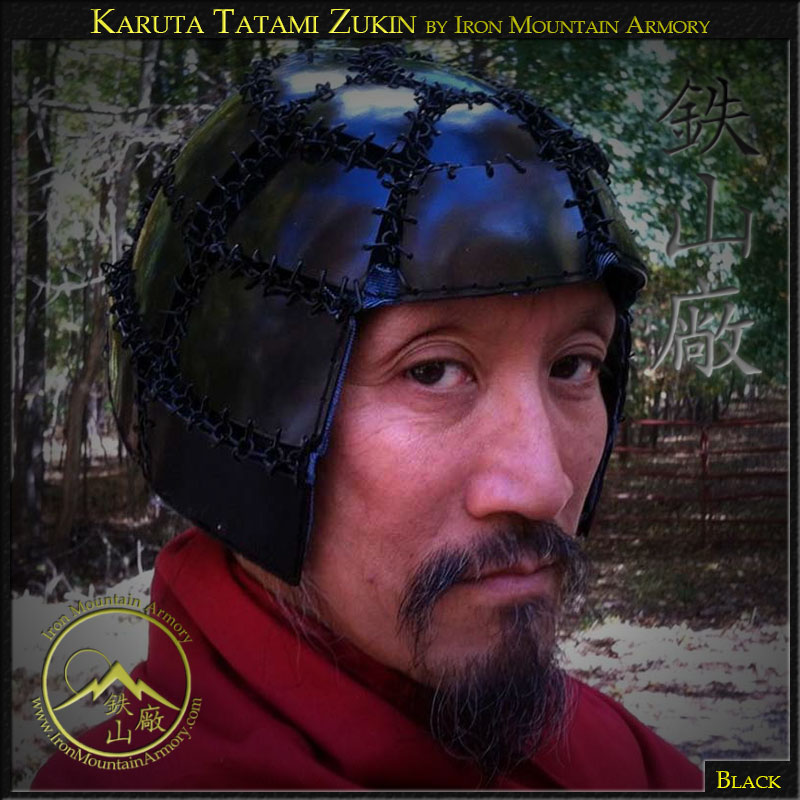
A zukin is a hood, and in armor context it becomes one of the most practical forms of coverage you can wear. Samurai-Armor.com describes the karuta tatami zukin as a foldable armored hood built from small plates connected by chainmail, designed to be worn under a helmet or on its own, and aligned with the portable logic of tatami armor.
Functionally, it protects more than the forehead, it can cover the head and extend into neck and throat zones depending on the cut, which is exactly why it remains popular for collectors and historically minded martial artists today. It does not exist to make grand promises. It exists to express a mindset: preparation, mobility, and self-control.
Product page: Karuta Tatami Zukin (Armored Hood)
How to Choose the Right Piece for Your Kit
Best choice guide (Featured Snippet friendly):
- Choose Hachigane if you want a classic armored headband look with flexible plate coverage.
- Choose Ita-Mono Hachigane if you want the cleanest, lowest-profile forehead plate style.
- Choose Tatami Hitaiate Kusari if you want foldable, flexible chainmail coverage in a forehead-protector format.
- Choose Karuta Tatami Zukin if you want an armored hood that layers under a helmet or stands alone for portable coverage.
Here is the part most men need to hear, without hype. If you are asking yourself, “Am I worthy to own samurai armor,” the better question is, “Am I willing to walk the path that armor represents.” You did not arrive here by accident. Curiosity for authentic gear tends to show up when your mindset is ready to level up.
And if a full suit feels too big right now, that is normal. Historically, warriors built their kits over time. You can do the same, piece by piece, learning what each part means, earning each step, and letting your armor become a mirror of your discipline.
Start building from the category hub: Samurai Armor Parts . For ordering clarity: Custom Samurai Armor Order Options Explained and FAQ .
FAQ
What is a hachigane used for?
A hachigane is used to protect the forehead when a full helmet is not practical, and it can also be layered under a helmet depending on the kit and role. (See product descriptions for modern reproductions and options.)
What is the difference between hachigane and hitaiate?
Hachigane is typically an armored headband form, while hitaiate is a forehead protector category, sometimes designed as foldable or chainmail-based. In practice, modern naming overlaps, so the safest move is to check the construction and coverage on the product page.
Can I build my samurai kit piece by piece?
Yes. That approach is historically normal and also the most sustainable way to learn. Start with a single piece you understand, then build the rest as your knowledge and commitment grow.
Are these made for combat?
These are historically inspired reproduction pieces for collecting, display, reenactment, and cultural practice contexts. Armor involves real safety risks, and no armor is invincible. Use responsibly and avoid assuming protection.
The warrior path does not begin with perfection. It begins with intention. If you are not ready for a full suit today, start with the piece you can honor now, then grow into the rest.